
Skip to content
FoundationsProject 02

FITz

Personalized fashion & outfit shopping

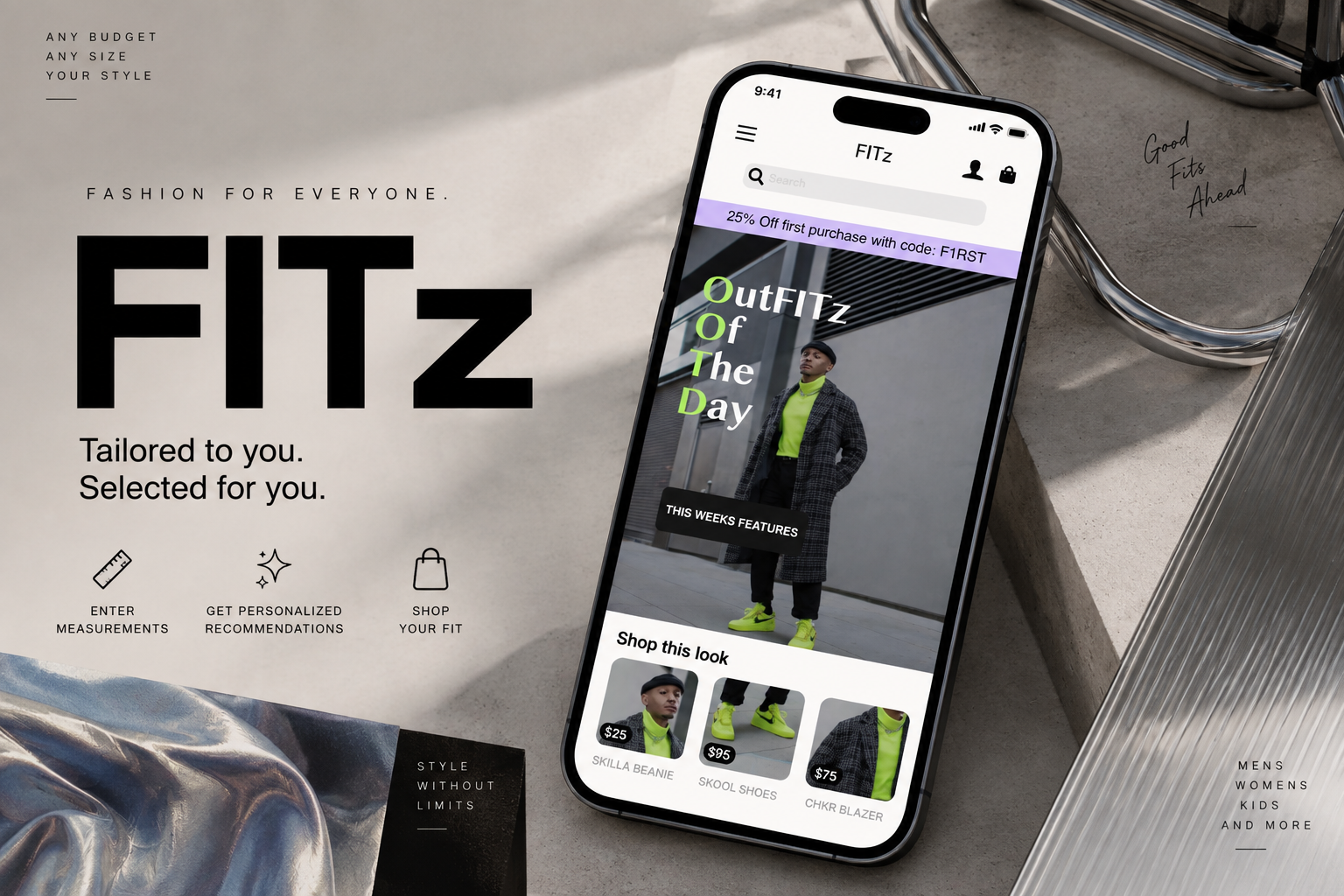
FITz personalized fashion app showing measurements, recommendations, and shop-your-fit screens
Type
UX/UI concept — mobile commerce
Overview

FITz — Personalized Fashion Discovery

FITz is a mobile shopping concept designed to make online fashion discovery feel more personal and less overwhelming. Instead of forcing shoppers to browse endless product catalogs, FITz uses style preferences and personalized recommendations to help users discover clothing that feels relevant to them.

The problem

Online shopping gives us endless choice—but very little guidance. FITz explored how a shopping experience could understand a user's individual style and make discovering clothing feel less like searching and more like being styled.

Process

The process

I approached FITz as an end-to-end UX exercise: understanding how people shop for clothing online, identifying friction in the discovery process, defining the experience, and translating those insights into a personalized mobile interface.

  1. 01

    Discover

    Audit, survey, social listening

  2. 02

    Define

    Persona and pain points

  3. 03

    Ideate

    Sketches, navigation concepts

  4. 04

    Design

    Wireframes, visual identity

  5. 05

    Iterate

    Revisions to final designs

Research

Research

Early research focused on how people discover clothing online and what makes that process frustrating. The strongest opportunity was personalization: helping users narrow a massive catalog into options that better reflected their individual taste.

94

People participated in the original FITz survey

FITz survey · 2020

Final experience

From preference to purchase

The final experience was designed as a connected journey. Users establish their style preferences, receive a personalized home experience, explore the broader catalog when they want more control, and move from discovery to checkout without leaving the app.

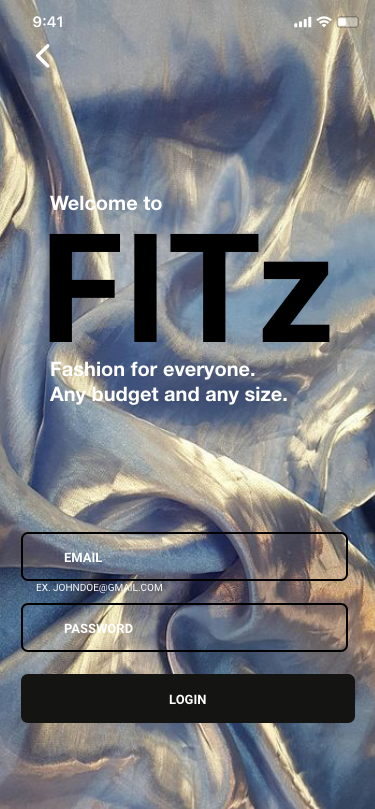
FITz welcome and login screen
Screen 01

A simple starting point

The onboarding experience keeps the entry into FITz lightweight, allowing users to quickly create an account and begin building a more personalized shopping experience.

FITz personalized fashion shopping home screen
Screen 02

Discovery that feels personal

Rather than presenting every shopper with the same storefront, the home experience prioritizes recommendations based on the user's evolving style preferences.

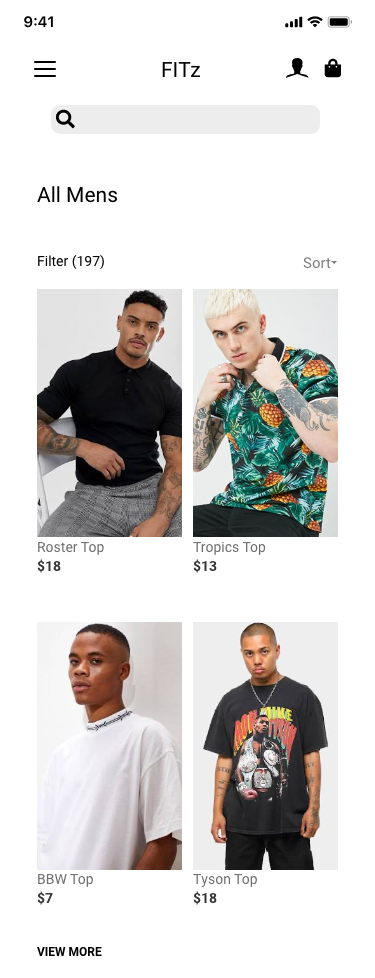
FITz mens clothing category screen
Screen 03

Personalization without limiting exploration

Recommendations provide a starting point—not a restriction. Users can still browse the larger catalog and discover styles outside their personalized feed.

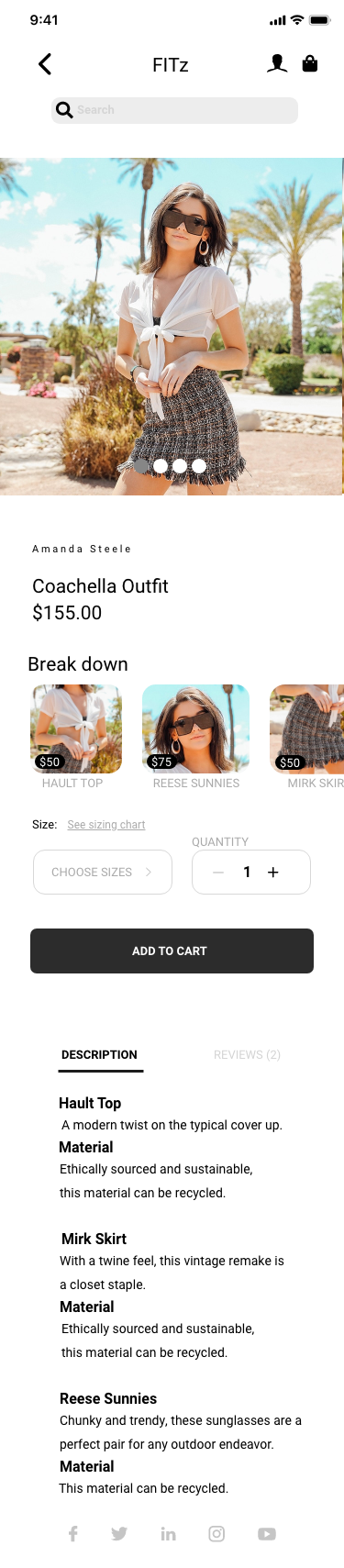
FITz outfit product detail screen
Screen 04

From individual pieces to inspiration

Outfit-based discovery helps users imagine how products work together, shifting the experience from simply browsing individual items toward styling complete looks.

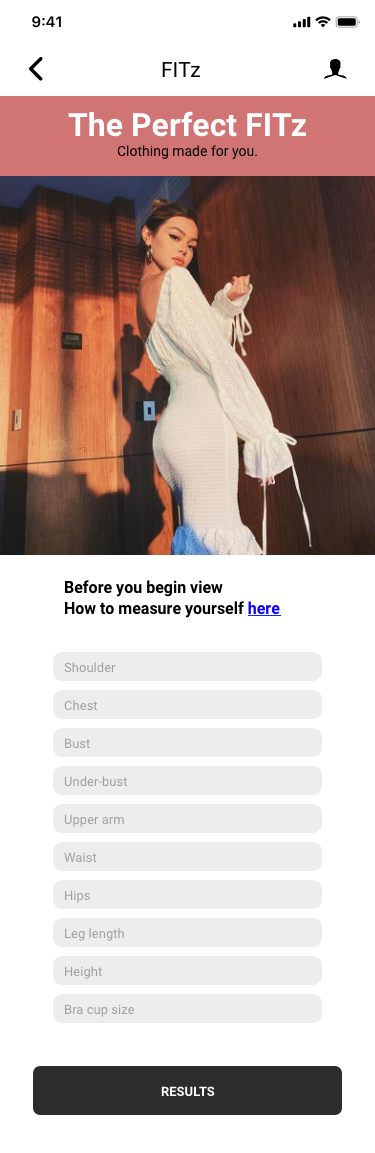
FITz body measurement form
Screen 05

Teaching FITz your style

A dedicated profile gives users a way to shape their preferences, creating the foundation for recommendations that become more relevant to their taste.

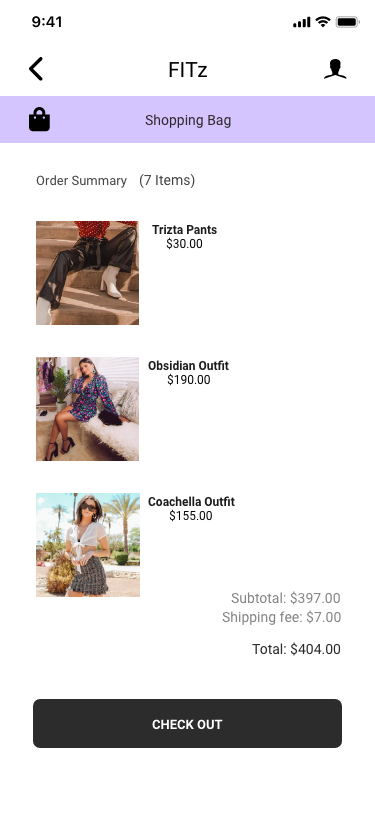
FITz shopping bag and order summary screen
Screen 06

A clear path toward purchase

Once users find something they like, the shopping bag keeps product details and purchase decisions easy to review before checkout.

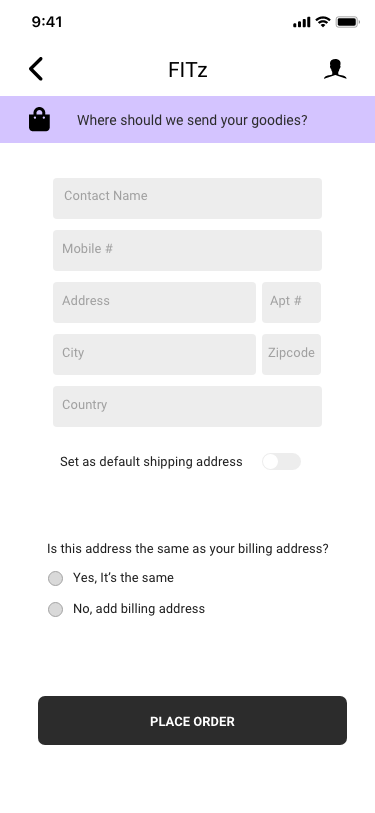
FITz shipping address checkout screen
Screen 07

Finish without friction

The final checkout experience keeps the transaction focused and straightforward, completing the journey from personalized discovery to purchase.

Outcome & reflection

Looking back

01

From 2020 to today

FITz was one of my earliest end-to-end UX/UI projects, created during my design training in 2020. Looking back, I can see places where I would approach the product differently today—particularly around accessibility, validation, personalization logic, and testing recommendations with users. What still holds up is the core product thinking: identifying a broad shopping problem and designing a connected experience around an individual user's needs.